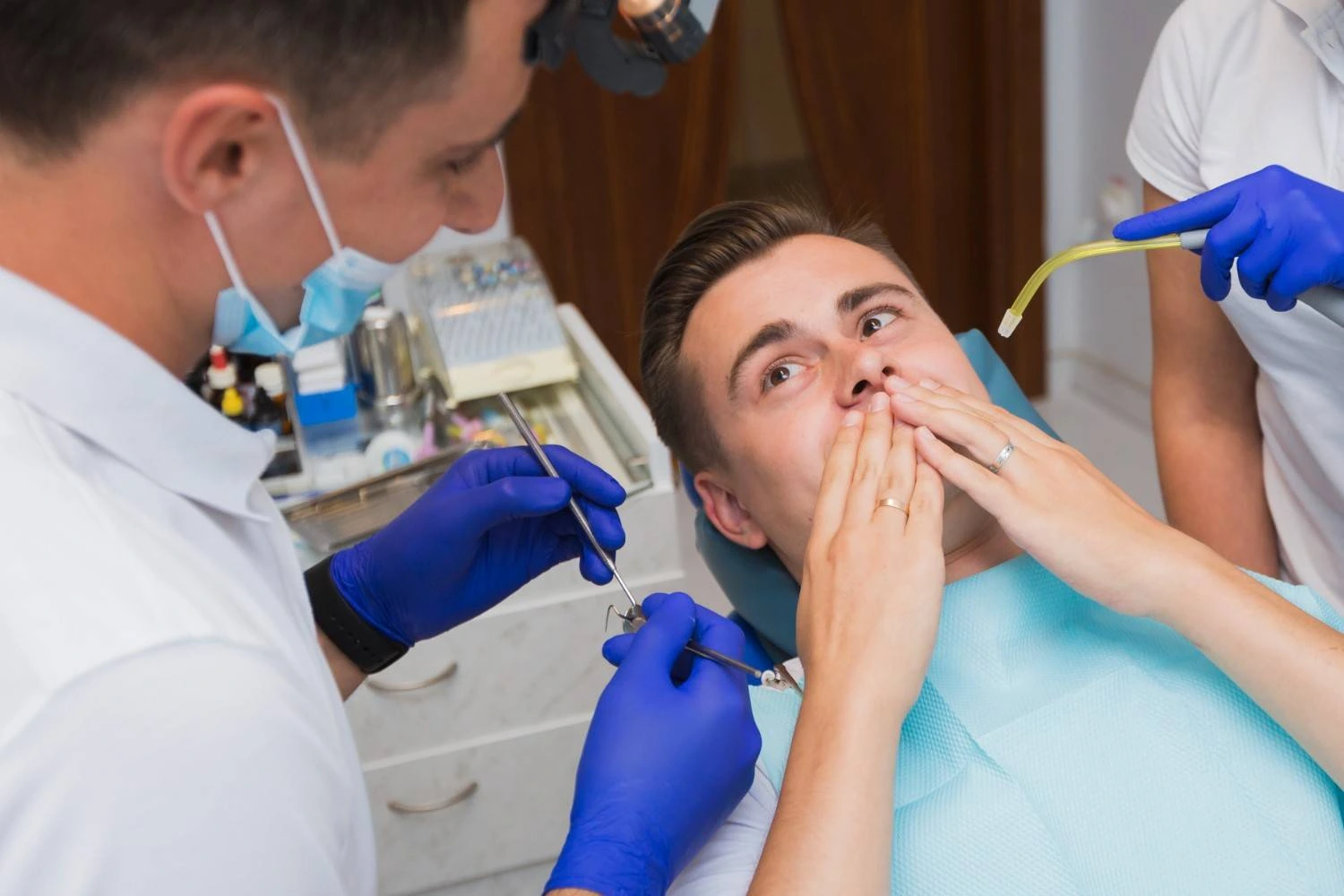
Many people step back hearing the root canal because they think that the treatment is very painful. The truth is that modern root canal treatment in Kochi is designed to relieve pain, not create it. Advanced techniques and anaesthesia have made the treatment no more painful. Mostly the pain is because of the infected tooth and not the treatment.
In this blog, we’ll answer the common question, does a root canal hurt, explain the procedure, recovery, and when you should seek treatment.
What Is a Root Canal Treatment?
Root canal is an approach which involves treating infections in the tooth without extracting the tooth. Dental pulp is a soft tissue in the tooth, which contains nerves and blood vessels. When the dental pulp gets infected due to deep decay, cracks, or any injury, treatment must be taken to prevent further damage.
The infected dental pulp is removed, canals are cleaned, and the tooth is sealed to prevent bacteria. It is one of the most effective forms of tooth infection treatment, helping patients keep their natural teeth.
Does a Root Canal Really Hurt?
The answer to does a root canal hurt is usually no. Because of advancements made in the field of dentistry, this treatment is very similar to that of getting a dental filling. With local anaesthesia, the tooth and its surrounding areas are fully numbed, thus allowing the dentist to work without any problem.
A large number of individuals are afraid of root canal due to the stories that have been passed through the generations, which were true several decades ago. Some individuals postpone their treatment for the same reason, thus making their pain much more severe due to the infections, rather than the treatment process itself.
What Happens During a Root Canal Procedure?
The treatment begins with checking your teeth and taking X-rays to determine how bad the infection is. Following numbing the patient’s mouth using local anesthesia, the dentist will make an opening on the tooth to access the infected pulp inside.
This infected pulp will then be extracted, and the root canals will be thoroughly cleansed, sterilised, and reshaped to get rid of bacteria. The canals will then be filled with some biocompatible material, and finally sealed to prevent any form of infections in the future. Modern root canal treatment focuses on both comfort and long-term success.
What Can You Expect After a Root Canal?
Experiencing mild tenderness or sensitivity in your teeth for two days is quite common. You will manage to cope with this problem by taking medications that have been prescribed for you by your dentist.
In order to facilitate the recovery process, do not chew food on the treated tooth, maintain good oral hygiene and attend all follow-up appointments. In case of serious pain, swelling, difficulty in biting and possible infection, you should contact your dentist at once. Many patients also ask, is root canal treatment safe. When performed by a qualified dentist, it is quite a safe and highly efficient procedure.
Signs That You May Need a Root Canal
Dental infections take time to form and therefore being aware of their symptoms will prevent any problems. You may need professional tooth infection treatment if you notice:
- Persistent or throbbing tooth pain.
- Sensitivity to hot or cold that lingers.
- Swollen or tender gums around a tooth.
- Darkening or discolouration of a tooth.
- Pain while chewing or biting.
- A gum abscess or pimple with pus.
Early intervention provides the highest possible chances of saving your natural tooth.
Benefits of Root Canal Treatment
One of the biggest advantages of root canal treatment is that it preserves your natural tooth while eliminating infection. Preserving your natural tooth helps you save the cost for tooth replacement options.
The treatment includes getting rid of the bacteria, relieving pain and preventing the infection from spreading to nearby teeth and tissues. Patients who wonder, ‘Is root canal treatment safe?’ can be reassured that it is a routine dental procedure with an excellent success rate when performed correctly.
How Can You Prevent the Need for a Root Canal?
The best way to prevent a root canal is to practise good dental hygiene. Brush your teeth twice daily, floss regularly, and visit a dental clinic in Kochi for routine check-ups and professional cleanings.
Treat cavities early before the pulp gets infected, wear a mouth guard when involved in any contact sport, avoid using your teeth to open packages or bite hard objects. Following these tips help you avoid undergoing root canal.
Modern root canal procedures are supposed to reduce pain and not cause it. Patients hardly experience any pain during the treatment. Thanks to our modern techniques and anaesthesia for it. Seeking treatment early will avoid further issues, save your natural tooth, and improve your oral condition.
Teethos Dental Care is a modern, patient-focused dental clinic, offering the best root canal treatment in Kochi. We offer all kinds of treatment from root canals, implants, smile makeovers, orthodontics, cosmetic dentistry, children’s dentistry to preventive care. If you have been experiencing pain, swelling, or sensitivity in your teeth, book an appointment with us today.
FAQs
Yes. Local anaesthesia numbs the affected tooth and surrounding tissues, so most patients feel little to no pain during the procedure. You may feel slight pressure, but the treatment is generally comfortable.
A root canal usually takes 60 to 90 minutes, depending on the tooth and the severity of the infection. Some complex cases may require two appointments.
It’s best to wait until the numbness from the anaesthesia wears off before eating to avoid accidentally biting your cheek or tongue. Stick to soft foods and avoid chewing on the treated tooth until it has been permanently restored.
In most cases, saving your natural tooth with a root canal is the better option. It preserves your bite, prevents neighbouring teeth from shifting, and usually avoids the need for replacements like implants or bridges.
With proper care, a root canal-treated tooth can last many years or even a lifetime. Maintaining good oral hygiene, attending regular dental check-ups, and getting a permanent crown when recommended all help improve its longevity.